About Me
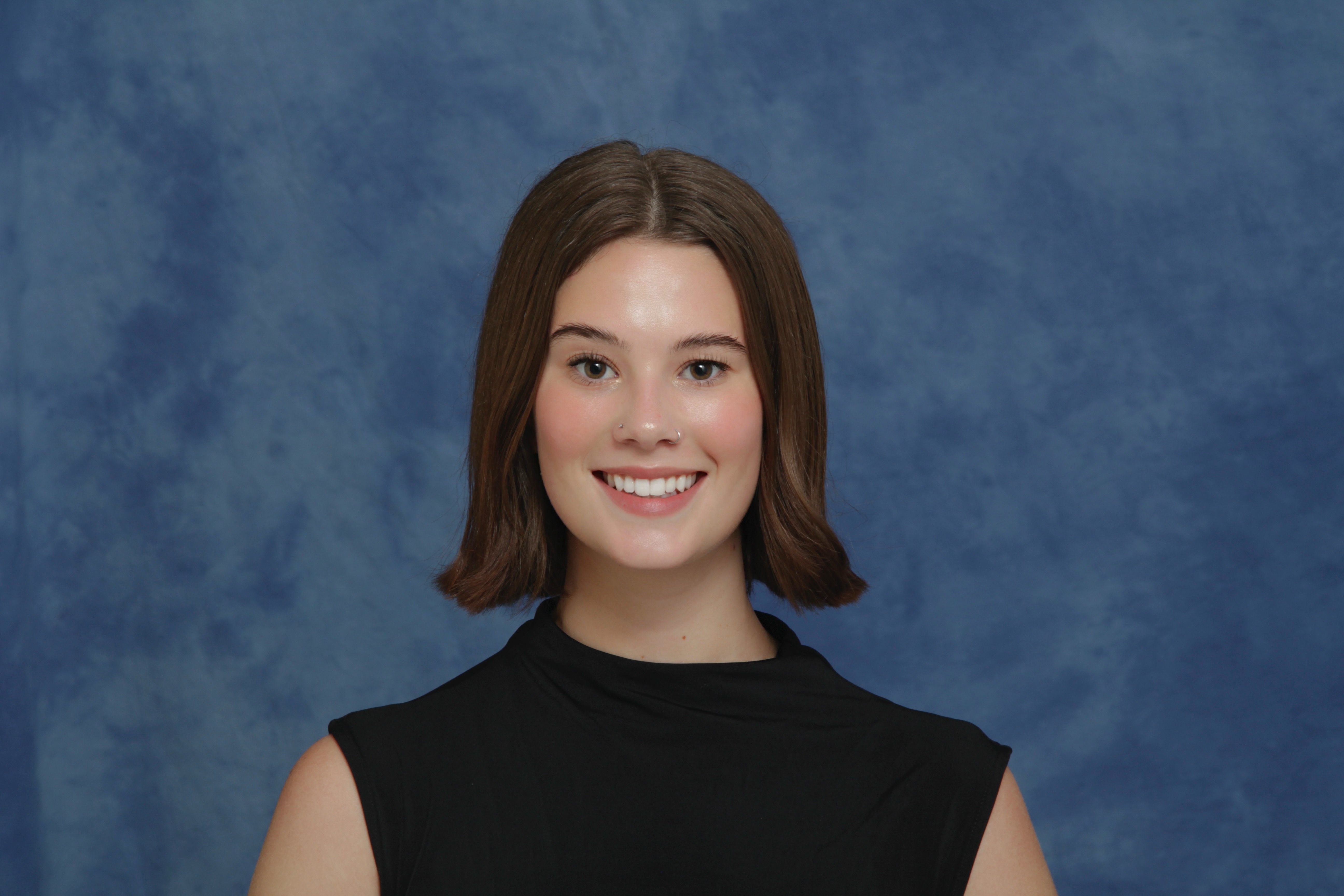
Welcome! I am a Ph.D. Candidate in Planetary Science at the University of Arizona’s Lunar and Planetary Laboratory. My research focuses on the upper atmospheres of close-in exoplanets and how they lose mass over time, using multi-species hydrodynamic and photochemical models to connect helium and hydrogen spectral lines to atmospheric escape.
Previously, I worked with Dr. John Blondin at North Carolina State University using the VH-1 hydrodynamics code to model astrophysical flows in the high-mass X-ray binary Vela X-1. I also conducted research with the Exoplanet and Stellar Astrophysics Lab at NASA Goddard, where I used the PHOENIX atmospheric code to compute synthetic stellar spectra and search for correlations between stellar parameters and chromospheric emission lines.
Read more about these projects using the menu above, or by clicking the images on this page.
Contact me: annartaylor@arizona.edu
🎓 Google Scholar
| 📚 NASA ADS
| 🔗 LinkedIn, Publications, Videos & more
Research at LPL
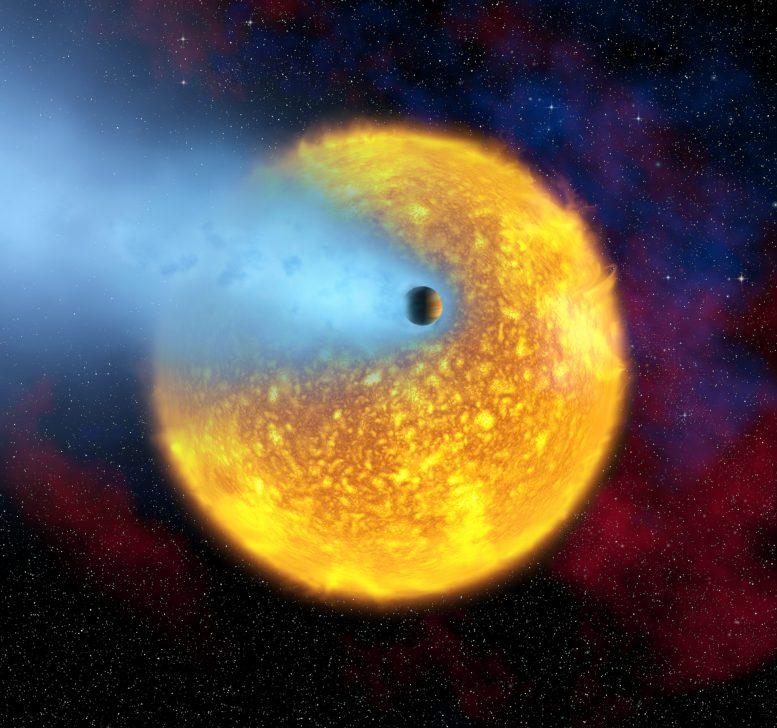
My research at the University of Arizona's Lunar and Planetary Laboratory under Dr. Tommi Koskinen focuses on modeling atmospheric escape from close-in exoplanets. I use a multi-species hydrodynamic model that self-consistently solves time-dependent equations of continuity, momentum, and energy for multiple species, combined with a radiative transfer model to simulate observed transit depths in He I 10830 Å and H I Balmer lines. My most recent work extends this framework to a comparative study of four exoplanets, showing that first-principles models — including self-consistent temperature and velocity profiles, multispecies transport, and molecular chemistry — are essential for correctly interpreting helium and hydrogen observations. Read more in our papers in the Astrophysical Journal below!
Research with NASA Goddard's Exoplanet and Astrophysics Lab
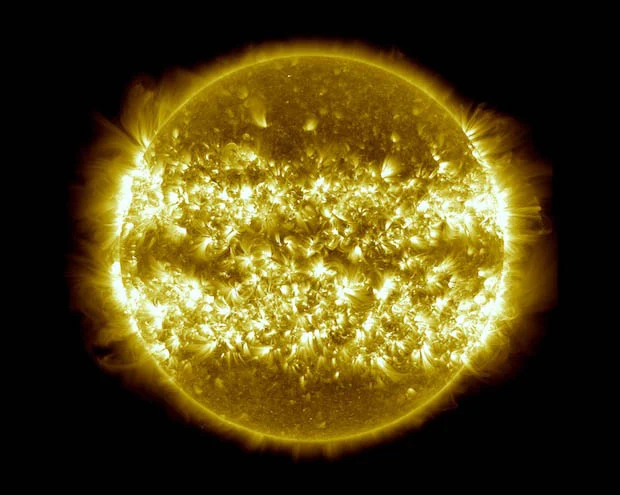
My research at NASA Goddard under Dr. Sarah Peacock and Dr. Allison Youngblood was focused on a search for correlations between photospheric parameters of main sequence stars and the Mg II k self-reversal depth. Published literature values for the intrinsic stellar parameters vary widely for our sample of 142 FGKM stars, so I used the PHOENIX atmosphere code to compute models for each target and consistently determine these parameters using archival photometry as empirical guidance. We then modeled the Mg II k line for each star in the sample to retrieve the self-reversal depths and did a statistical analysis to identify trends. Read more in our paper in the Astrophysical Journal below!
Research with Blondin Group
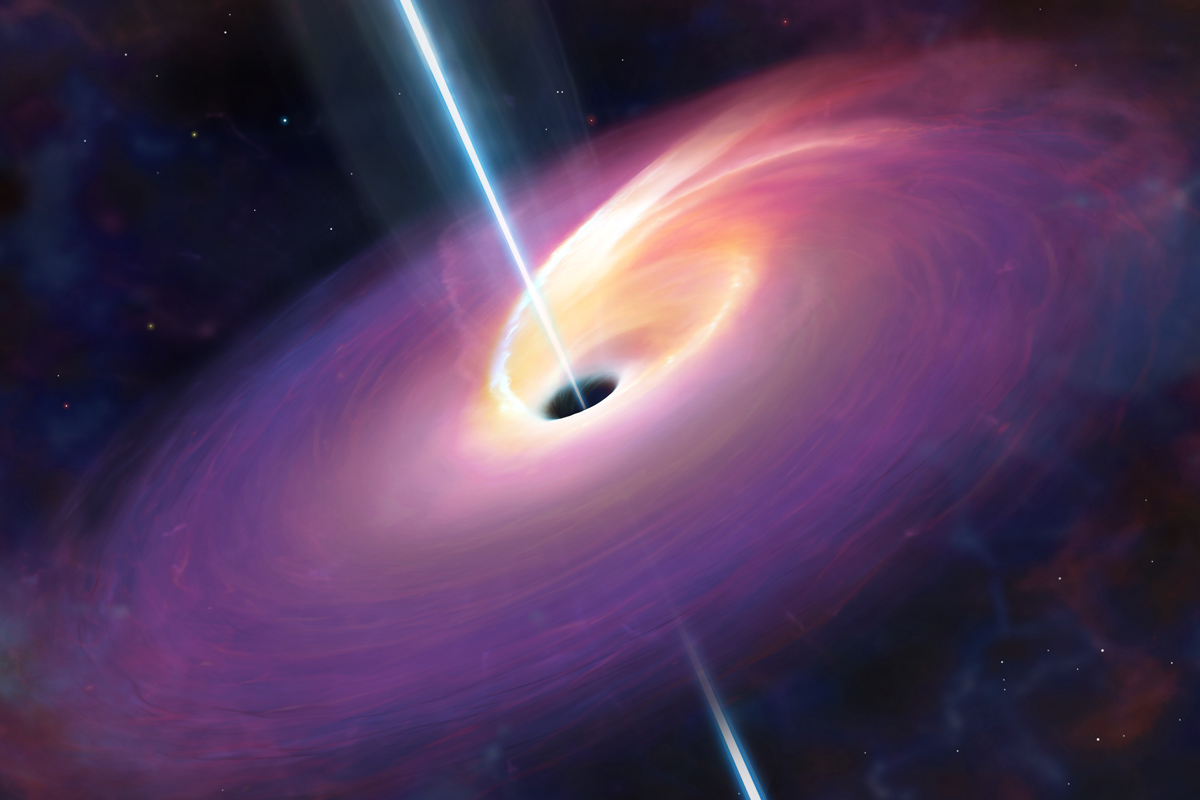
My work with the Blondin group specialized in the use of computational hydrodynamics to study shocks and gas flow in astrophysical objects on the stellar scale. This research ranges from idealized problems such as Hoyle-Lyttleton accretion and the spherical accretion shock instability to detailed studies of specific astronomical objects. I worked on the astrophysical flow of Vela X-1, an eclipsing high-mass X-ray binary (HMXB) system. I worked on analyzing the effects of differing wind speed and Roche Lobe geometries have on the formation of wind accretion disks in this particular binary system. Watch my YouTube Abstract here!
Outreach
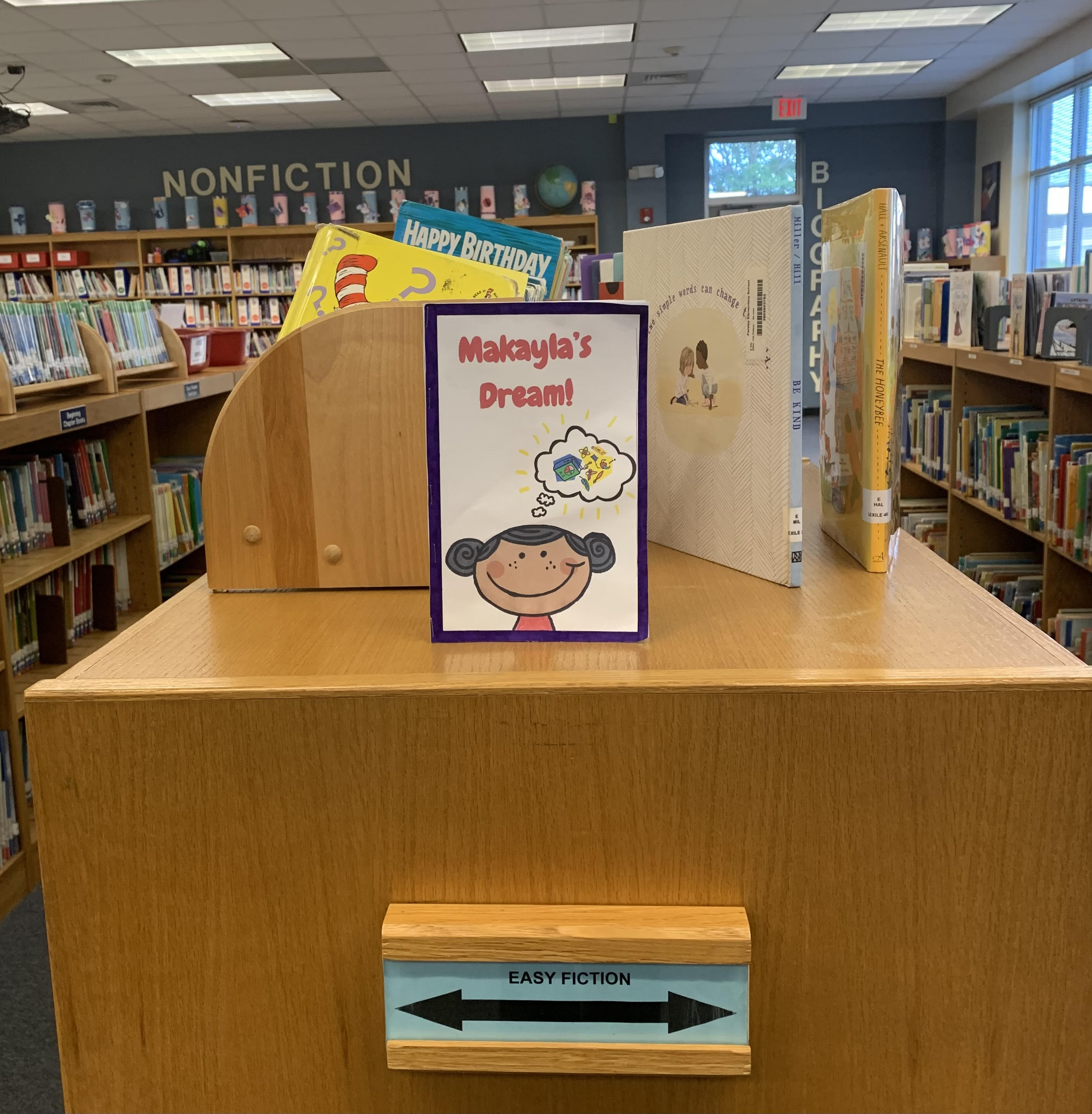
I am dedicated to fostering inclusivity and representation in STEM, with a focus on empowering young girls. My outreach journey began with writing and distributing a children’s book, Mikayla’s Dream, to inspire interest in science among over 5,000 students. During my undergraduate years, I served as Vice President of the Women in Physics Club at NCSU, where I organized career talks and social events to support women in STEM. Currently, I mentor over 40 young women through the Arizona Science Center’s Girls Who STEM program, providing guidance and encouragement. I also advise high school students in research through the STAR Lab, meeting with them weekly to review their work and help achieve their research goals. Additionally, I actively participate in panels and outreach events, including CUWiP conferences and STEAM Nights, to inspire the next generation of scientists.